THE WORK / WOODLAND MEDICINALS
Cultivation beneath the canopy.
High-value woodland plants grown within the living structure of the forest.
The forest is already a productive system.
The question is not how to clear it so something useful can be planted. The question is what kinds of useful plants already belong beneath a canopy, and how cultivation might deepen rather than erase that ecology.
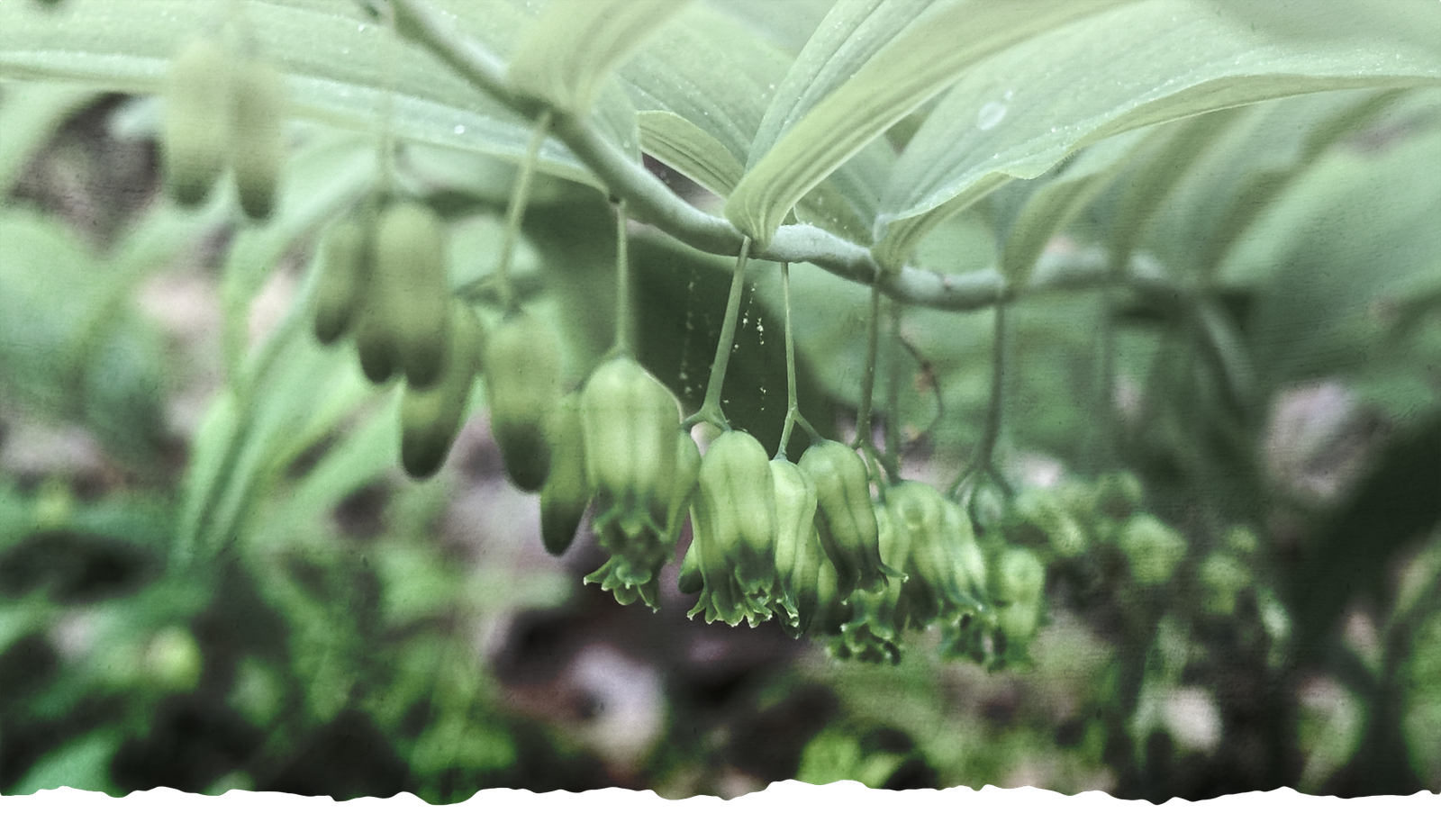
Black cohosh, goldenseal, American ginseng, and Solomon’s seal are part of that inquiry at Dark Hollow. They ask for shade, patience, observation, and a very different relationship to time than an annual field crop.
Cultivation can happen inside a forest without first asking the forest to stop being one.
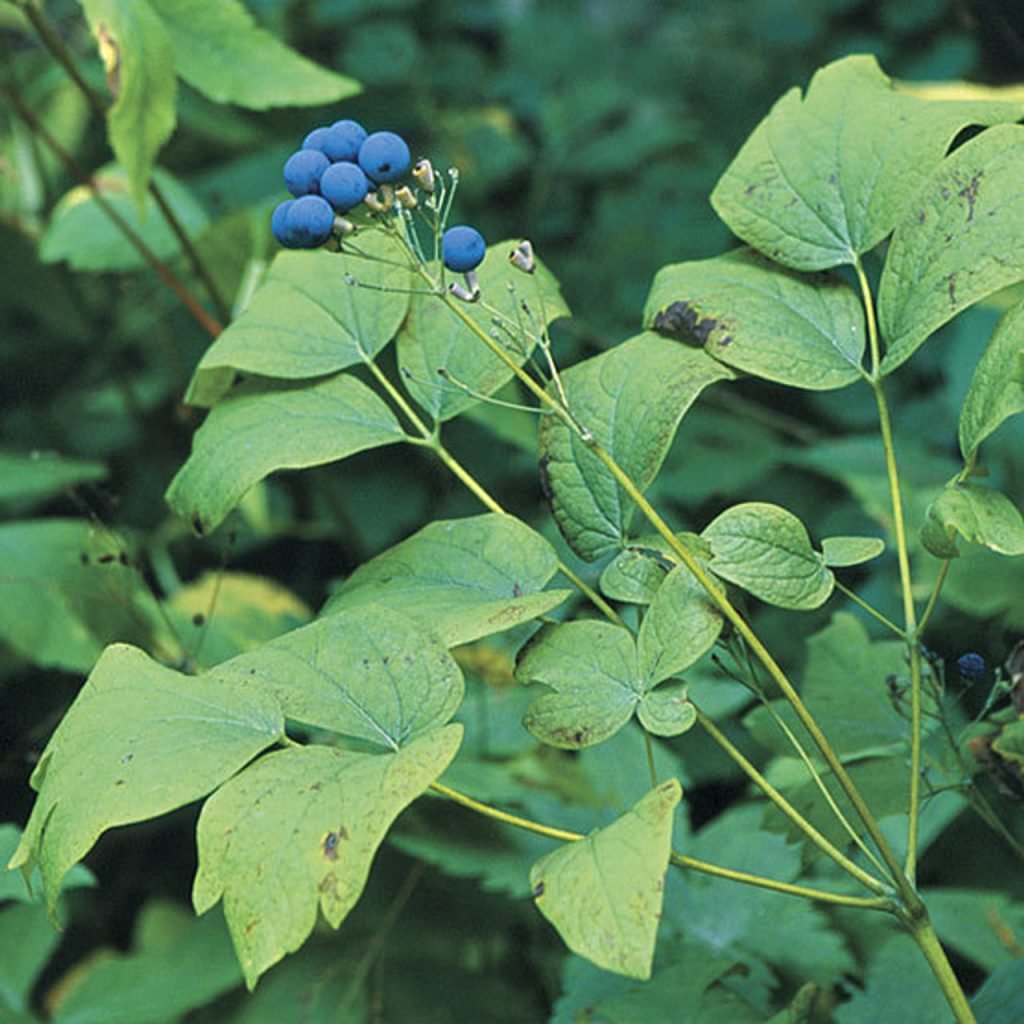
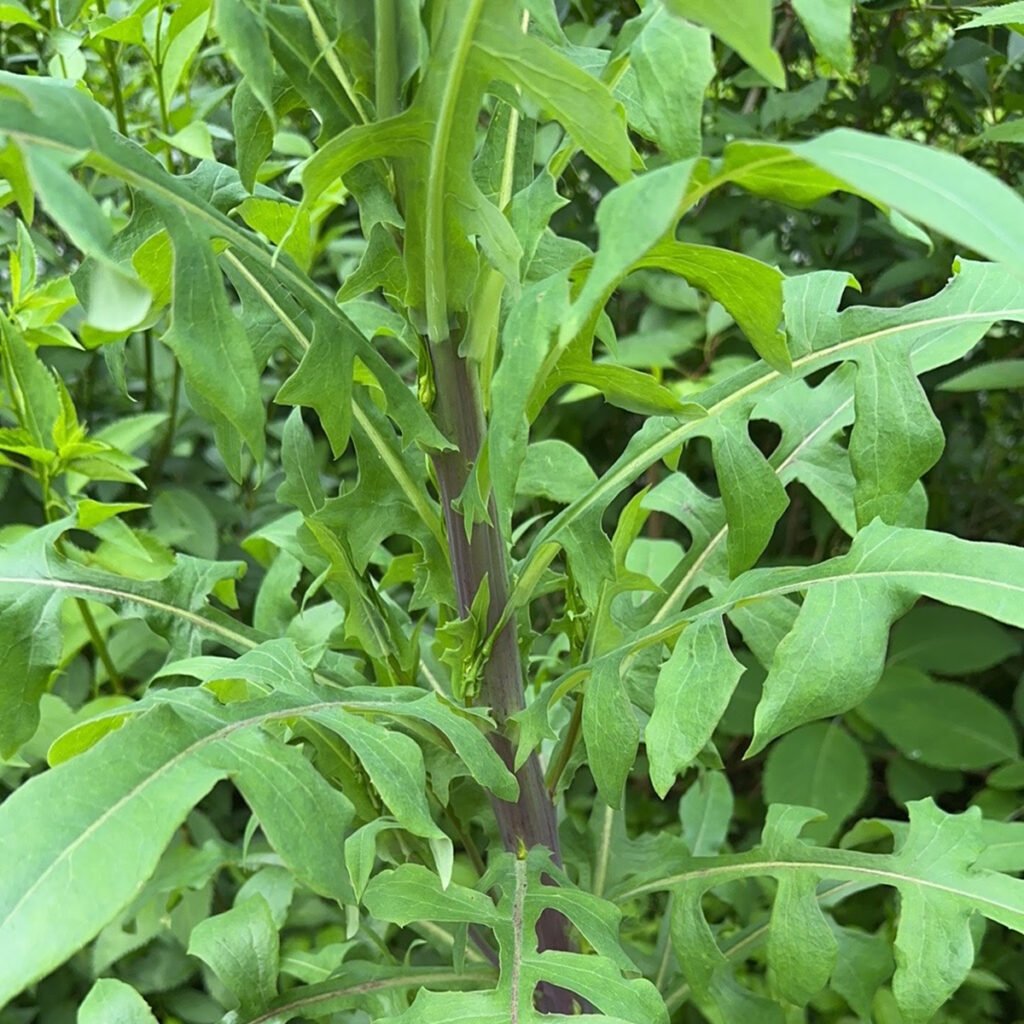
SPECIMEN / BLUE COHOSH
Caulophyllum thalictroides · perennial · woodland understory
A NOTE ON PLANT USE
Dark Hollow Biodynamic grows and offers raw plant material—not medicine. We do not recommend plants for human health conditions, and nothing offered here is intended to diagnose, treat, cure, mitigate, or prevent disease.
Read full plant-use statement ↓
Dark Hollow Biodynamic lies within the Lower Susquehanna homeland of the Susquehannock people, later known as the Conestoga. The woodland plants growing here also carry documented histories of relationship with Cherokee, Lenape, Haudenosaunee, and other Indigenous peoples of eastern North America.
We use the term woodland medicinals to acknowledge these histories and the many healing traditions that followed them—not to characterize the plant material we grow as medicine or to claim ownership of the knowledge surrounding it.
References to traditional uses are provided only as botanical, historical, and cultural context. They are not evidence of safety or effectiveness, instructions for use, or medical advice.
Anyone considering the internal or external use of plant material should consult a qualified healthcare professional and independently confirm its identity, suitability, and proper preparation.
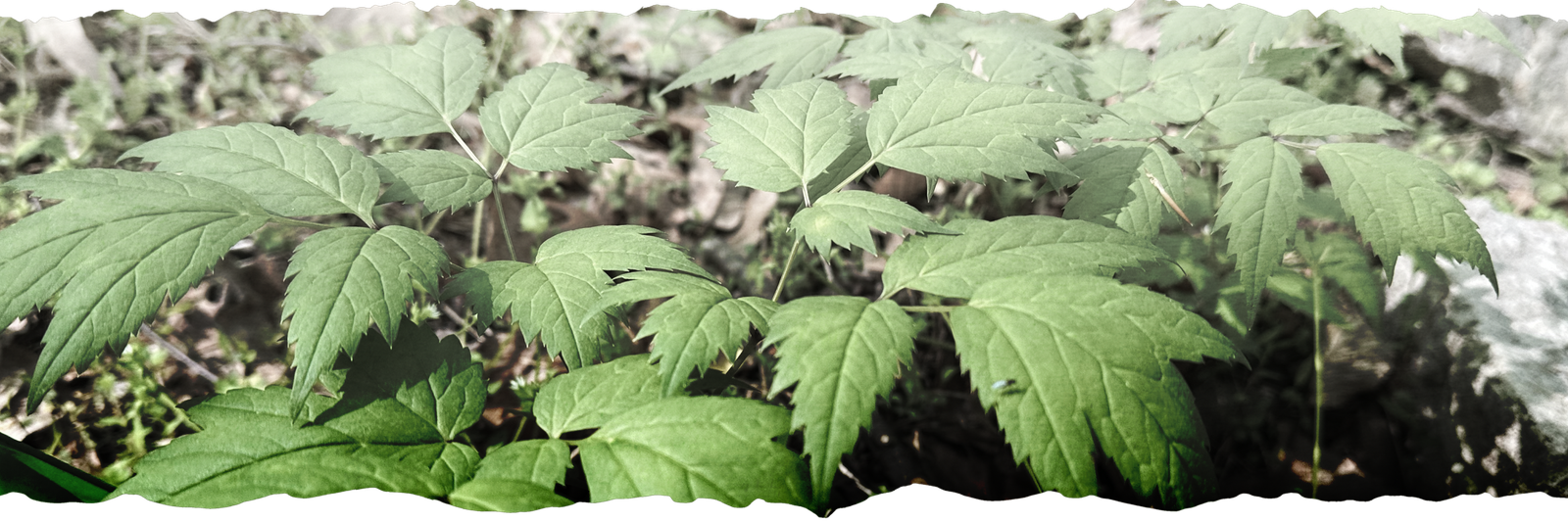
FIELD NOTES / FOUR WOODLAND PLANTS
Black cohosh
A tall woodland perennial whose flowering stalks rise dramatically above the understory. Its long-lived roots make cultivation a multi-year relationship rather than a quick crop.
shade / root / patience
Goldenseal
A low woodland plant spreading by rhizome beneath deciduous canopy. Establishment asks for suitable soil, shade, moisture, and restraint at harvest.
rhizome / colony / stewardship
American ginseng
Perhaps the clearest lesson in woodland time. Ginseng develops slowly, and meaningful cultivation is measured in years. Its value depends on the very forest conditions that make haste difficult.
years / seed / forest
Solomon’s seal
A graceful perennial of shaded ground, spreading slowly through rhizomes. It is part of the broader experiment in building useful, diverse understory communities rather than isolated crop beds.
understory / rhizome / community

the crop and the habitat cannot be separated
A DIFFERENT ECONOMY
Can a forest become more valuable because it remains a forest?
Woodland medicinals suggest an economy in which standing canopy, deep shade, leaf litter, soil life, moisture, and time are productive assets rather than obstacles to production.
The possibility is larger than any single crop: economic value can sometimes come from increasing the reasons to keep a forest intact.
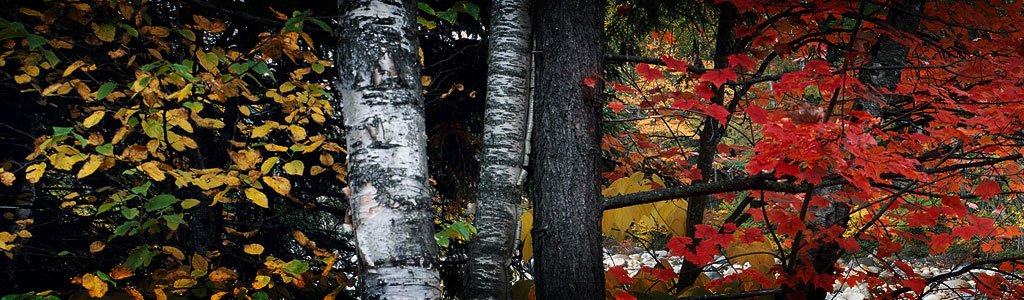
WOODLAND TIME
Some crops ask to be counted in years.
Propagation, establishment, seed production, root development, harvest, and regeneration happen slowly beneath the canopy. That slowness is not a defect in the system. It is part of its character.
To cultivate a woodland plant is also to cultivate patience.
Goods Library / woodland medicinals
From This Practice
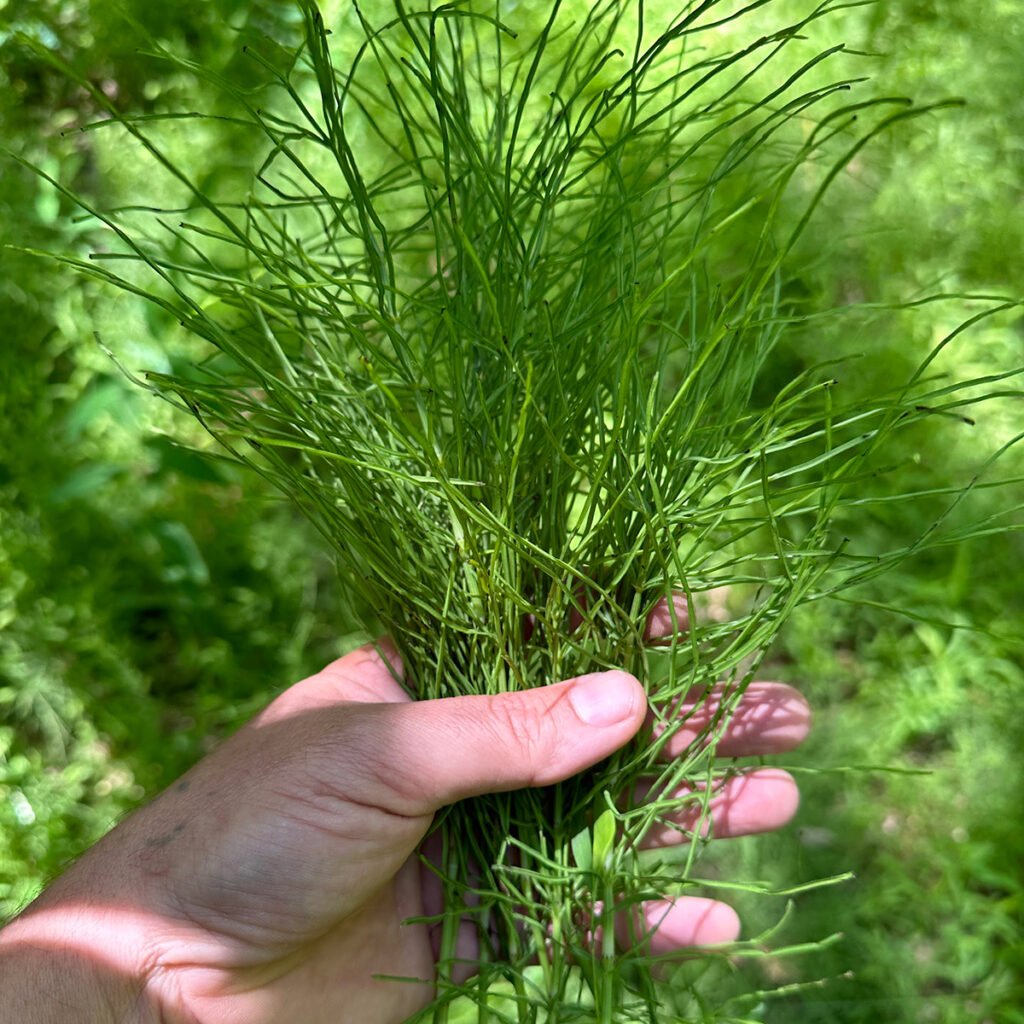
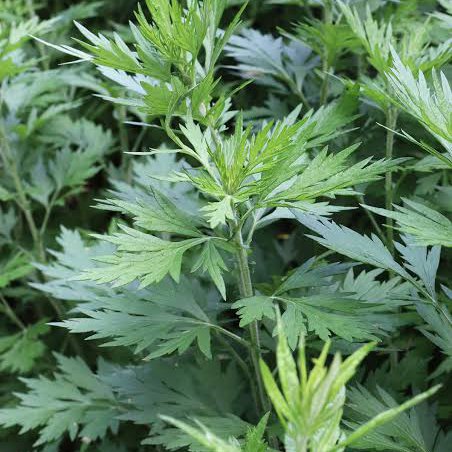
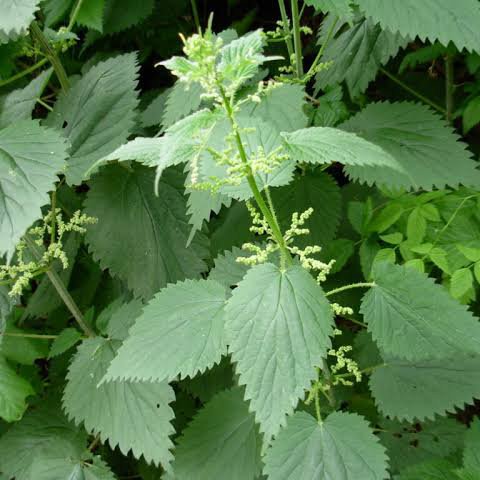
A changing selection from the Goods Library.


FROM THE MARGIN
Harvest should leave a future behind.
The measure of a woodland crop is not only what can be taken from the ground. It is whether the plant, the population, and the forest community can continue after the harvest.