AN IDEA AT THE CENTER OF DARK HOLLOW
Leave a Trace
We are going to leave a trace. Let’s make it worth leaving.
Three ways of being here
How should human beings live in the world?
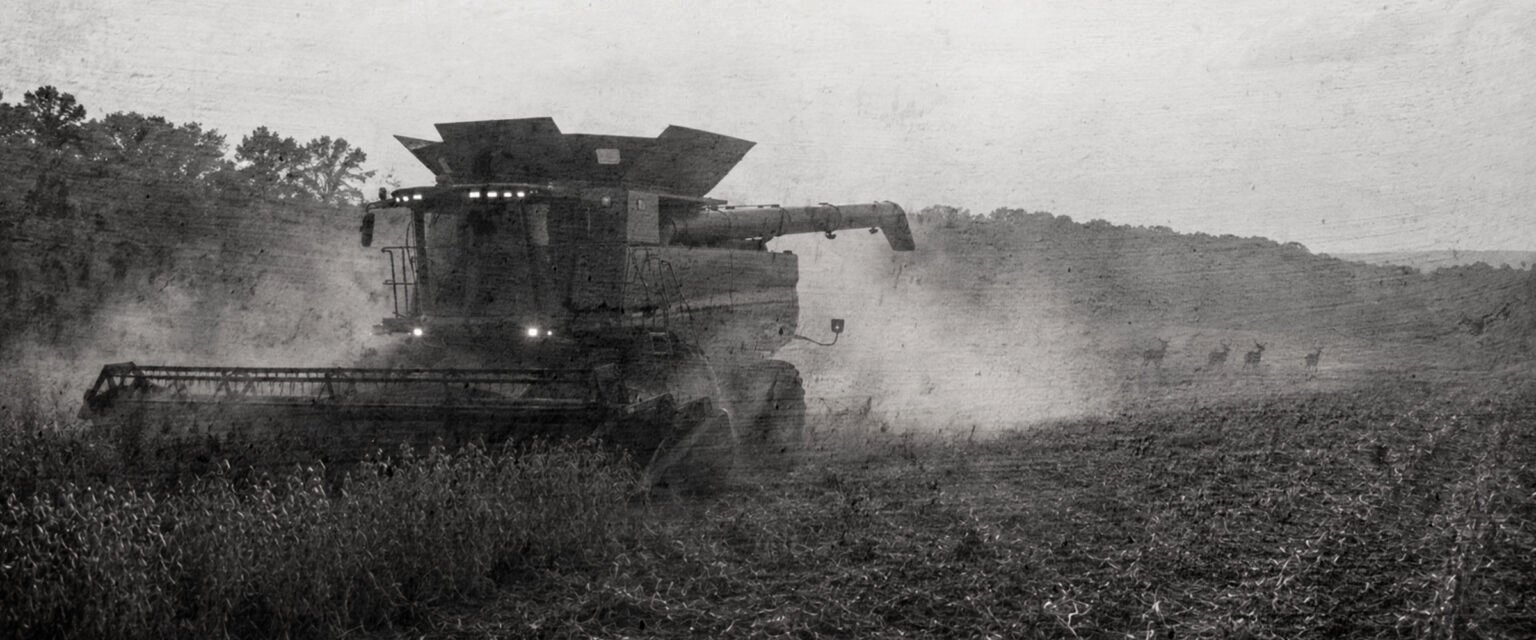
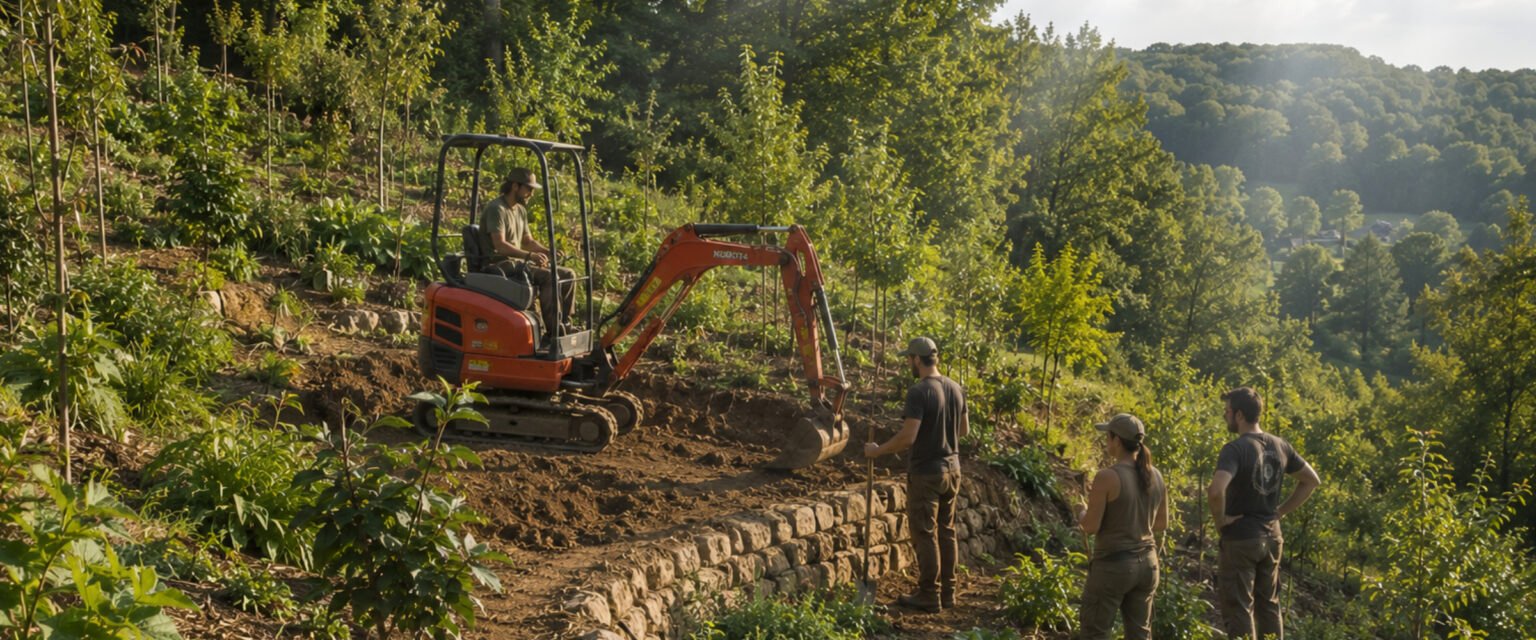
Dominance
Nature is something outside us, to be shaped to human purposes. The human trace becomes an act of control.
The question is not whether we leave a trace, but what kind.
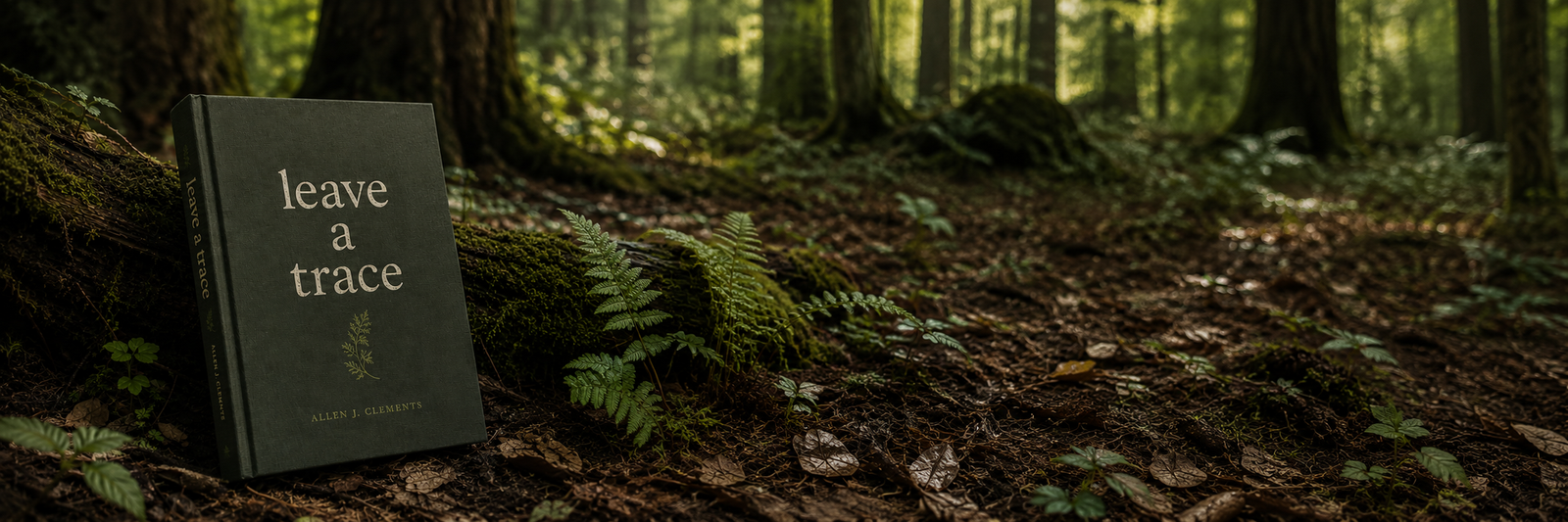
BELONGING, NOT ABSENCE
We are not separate from nature.
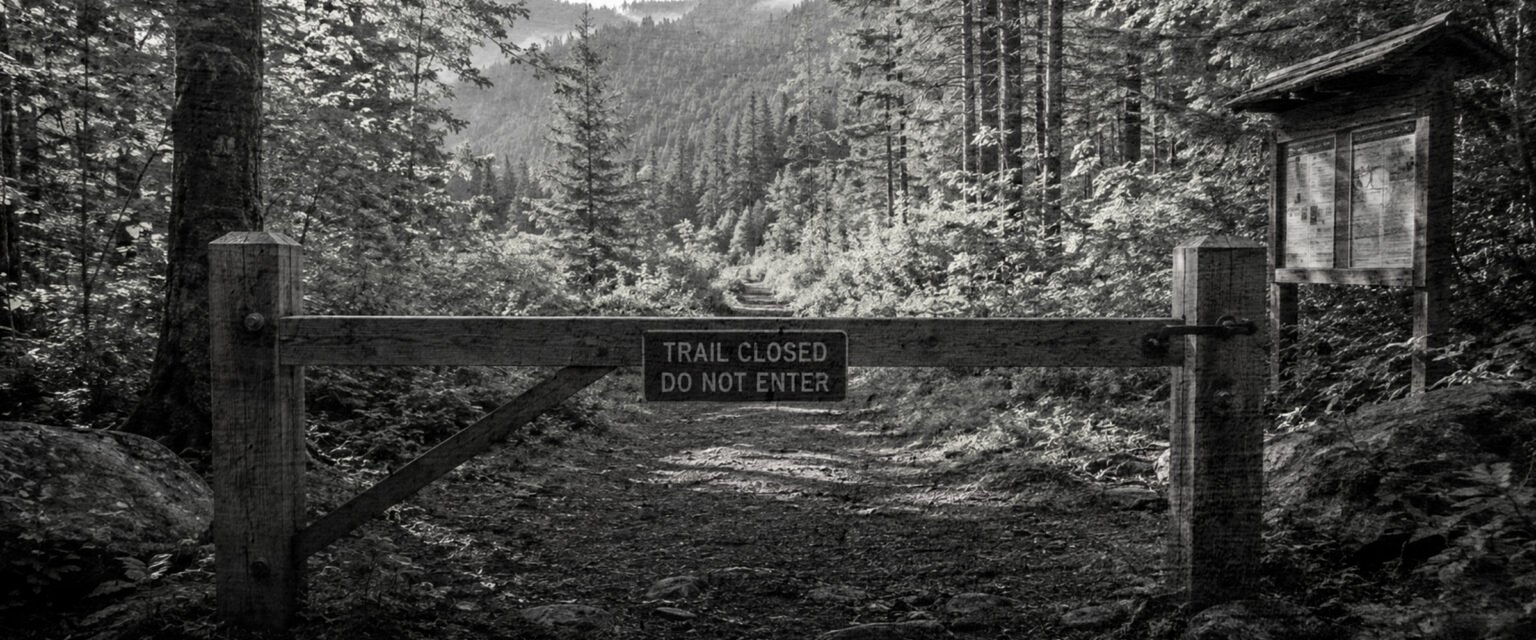
“Leave no trace” begins with the idea that nature is something apart from us, best protected by our absence.
But we are already here. We belong to the living world. There are scars we need to work to heal.
The question is how to participate well.
THE DIFFERENCE IS WHAT REMAINS
A scar is a trace. So is an orchard.
A poisoned stream is a trace. So is a restored wetland.
Depleted soil is a trace. So is compost worked into a garden year after year.
A clear-cut hillside is a trace. So is a woodland filled with food, medicine, habitat, and paths made by sheep.
Human action can make a place poorer. It can also make a place more alive.
Leave a trace. Not a scar. A gift.
PARTICIPATION, NOT CONTROL
What if we are participants, not outsiders?
Modern life often teaches us to picture nature as something outside ourselves: a resource to manage, a wilderness to protect, or a view to visit on the weekend.
Dark Hollow starts somewhere else.
We are animals too. We eat, breathe, build, disturb, depend, create, and die inside the same living world as everything else.
That does not excuse careless action. It asks more of us. If we belong here, then we have to learn how to participate well.

The question is bigger than farming.
Farming simply makes the question hard to avoid.
What does it mean to be human in a living world?
What kinds of tools help us belong, and which ones pull us farther away? What does a healthy community ask of us? What is worth making? What is worth preserving? What should we pass on?
These are old questions. They are becoming urgent again.
More writing from Dark Hollow.
Read Allen’s essays and reflections on biodynamics, land, culture, and the living world on Substack.
 Read Allen’s writing →
We are going to leave a trace.
The work is learning how to make it a gift.
A FEW QUESTIONS, ANSWERED
What does “Leave a Trace” mean?
Leave a Trace begins with the idea that human beings are participants in nature, not outsiders to it. Instead of asking how we can leave no trace, it asks what kind of trace our participation should leave.
What are the three ways described in Leave a Trace?
The three ways are dominance, absence, and participation. Dominance treats nature as something to control. Absence treats nature as something best protected from people. Participation asks how human beings can belong responsibly within the living world.
Is Leave a Trace a book about farming?
Not exactly. Farming is one place where its questions become concrete, but the book is about the larger relationship between human beings, nature, technology, culture, community, and the places we inhabit.
Is Leave a Trace a book?
Yes. Leave a Trace is a book currently being written by Allen J. Clements. The manuscript is under consideration by publishers. In the meantime, you can read Allen’s essays and other writing on Substack.