
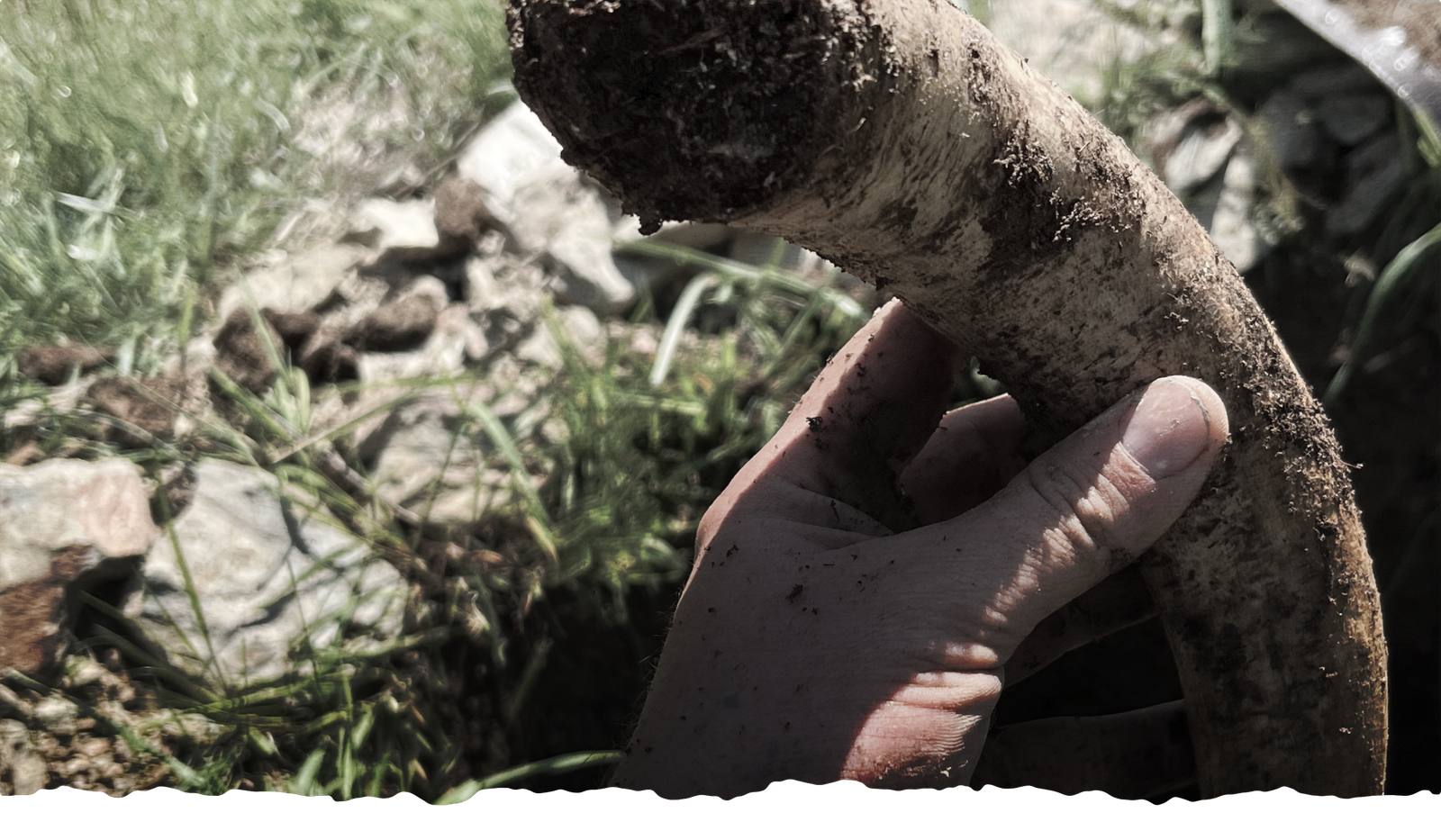
THE WORK / BIODYNAMICS
The farm as a living whole.
Biodynamics begins with a proposition: a farm is more than the sum of its inputs.
FIELD NOTE / A WAY OF SEEING
Practice before doctrine.
Biodynamics emerged from Rudolf Steiner’s 1924 Agriculture Course and the Anthroposophical understanding of nature that surrounds it. That history matters. But the practice becomes meaningful only when it enters the field.
Preparations are made and used. Compost is watched. Celestial rhythms are considered. Plants and animals respond in ways that can be observed. Questions, failures, surprises, and contradictions remain part of the work.
The idea is not to replace observation with belief, but to enlarge what is available for observation.

soil / decomposition / transformation / fertility
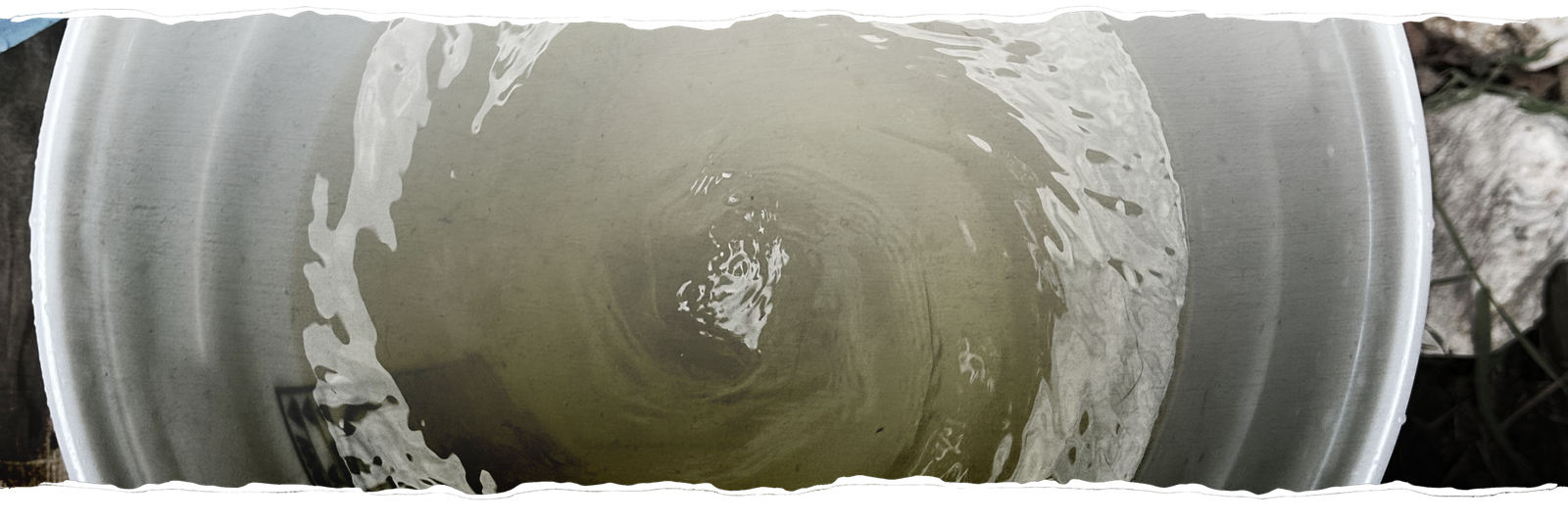
FOUR PARTS OF THE PRACTICE
Preparations
Horn manure, horn silica, and the compost preparations bring particular plant, mineral, animal, seasonal, and transformative processes into concentrated forms. Six preparations are produced on the farm.
make / stir / spray / compost
Soil & compost
Fertility is approached as a biological process rather than simply a nutrient equation. Compost becomes a place where plant, animal, mineral, moisture, heat, air, and time are deliberately brought into relationship.
humus / life / cycling / return
Celestial rhythms
Sun, Moon, planets, seasons, and the starry background provide another set of rhythms within which earthly life unfolds. Their use in biodynamics is explored as a practical calendar of attention, not as a substitute for weather, soil, or the condition of a crop.
above / below / timing / relationship
Observation & inquiry
Phenomenological observation, field notes, comparison, and methods such as chromatography offer different ways of looking closely. None needs to become a final verdict. Each can sharpen the questions being asked of the farm.
look / compare / question / return

COMPOST NOTE
The preparations are small in quantity. Their significance in biodynamic practice lies in process and relationship rather than bulk input.
PREPARATIONS / MADE HERE
The preparations are practices, not ingredients.
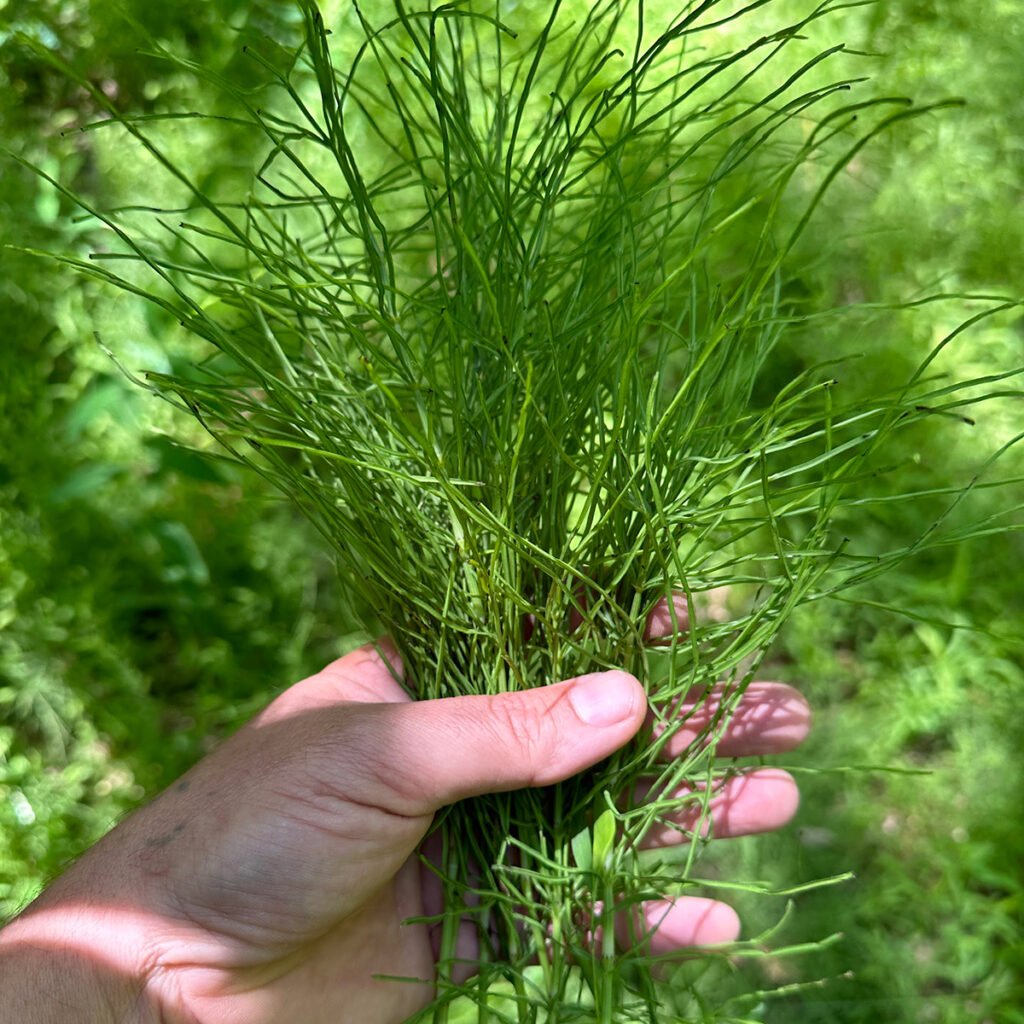
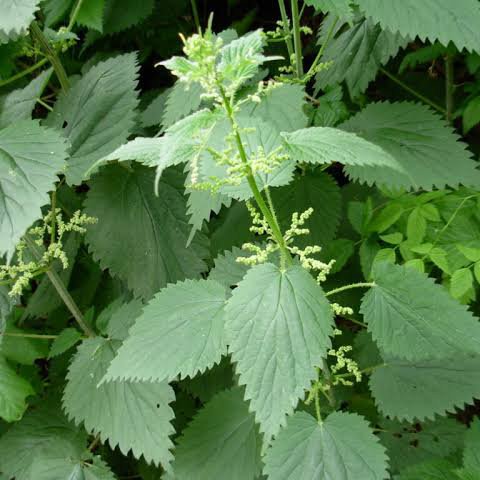
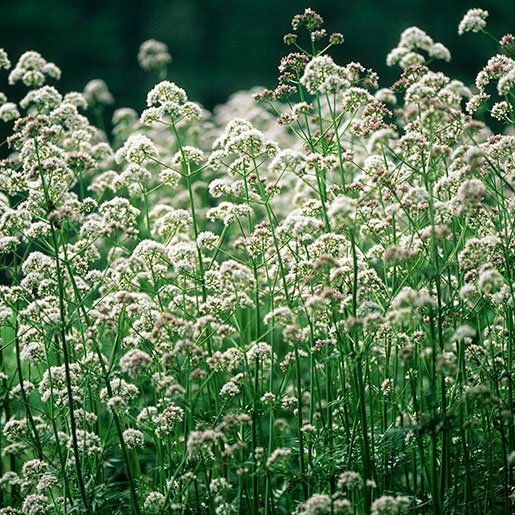
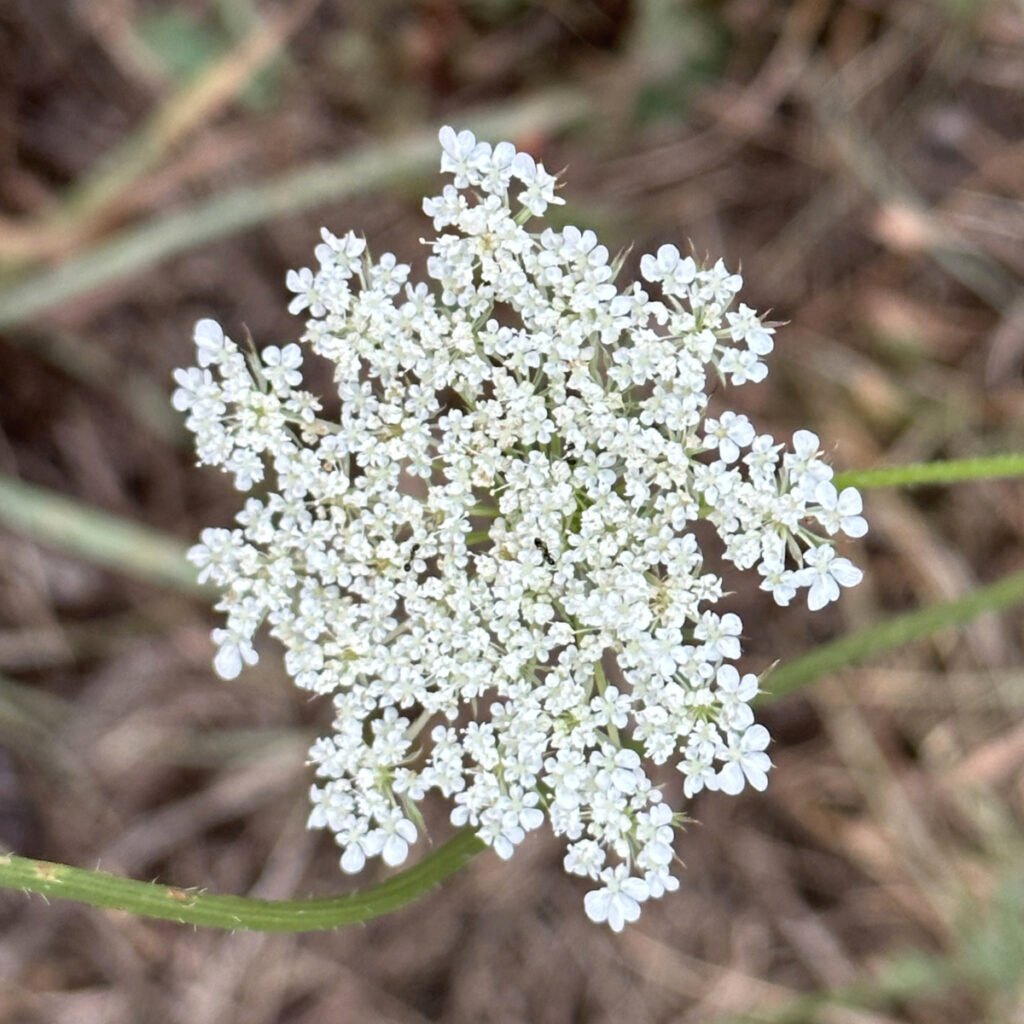
Making a preparation involves gathering a plant or mineral, working with an animal organ or vessel in some cases, placing it into a seasonal process, storing it, and eventually applying it to soil, compost, or plants.
That sequence asks for participation: where something came from, what season it passed through, how it changed, and when it returns to the farm.
The Week Above the Farm
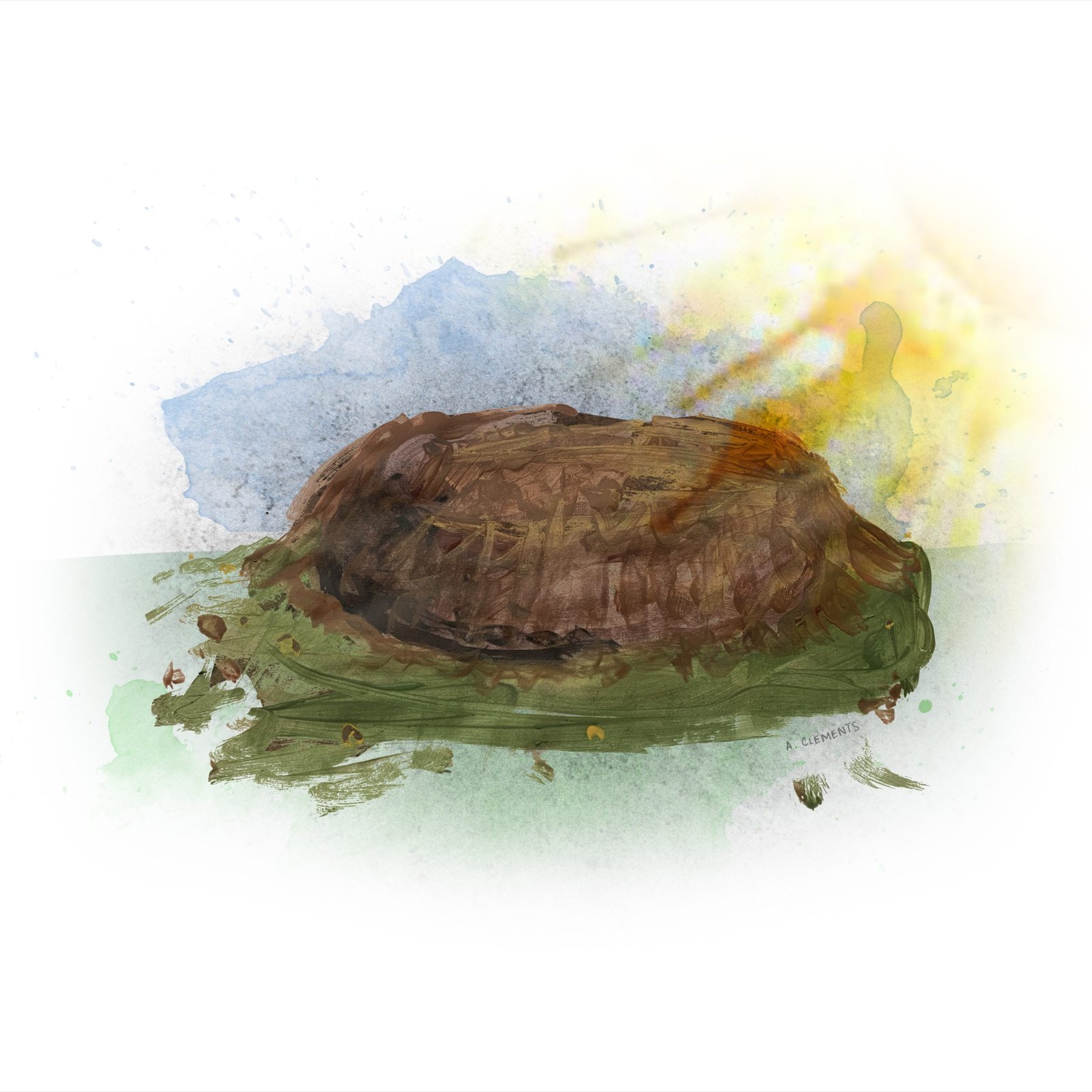
THE FARM ORGANISM
Nothing here is actually separate.
Compost depends on animals and plants. Animals depend on pasture, woodland, water, and care. Orchards depend on soil, insects, weather, and time. The preparations move among these relationships rather than belonging to a single crop.
The organism is not a metaphor for connectedness. It is a discipline of looking for relationships before isolated parts.
Goods Library / biodynamics
From This Practice
A changing selection from the Goods Library.

FROM THE MARGIN
The work remains an inquiry.
Biodynamics offers a way to ask larger questions of agriculture: what constitutes fertility, what makes a farm whole, how earthly and celestial rhythms meet, and what becomes visible when attention itself is treated as part of the practice.