THE PRACTICAL HEART OF DARK HOLLOW
The Work
Ideas become real when they meet soil, weather, plants, animals, and time.
Dark Hollow is a working farmstead and a place of inquiry. The ideas matter here because they have to survive contact with the living world.
We work with biodynamics, animals, perennial food crops, woodland medicinals, and water as parts of one landscape. Each practice changes the others. Sheep shape vegetation. Bees reveal bloom. Trees alter pasture and water. Medicinal plants give a standing forest another reason to remain standing. Slowed water feeds the roots beneath them all. Biodynamic practice asks us to keep looking for the whole.
These are five doors into that work.
ONE FARM / FIVE LIVING PRACTICES
Biodynamics
We approach the farm as a living whole—building fertility, attending to rhythm, and developing the kind of relationship that lets us work consensually within nature.
Explore biodynamics →Animal Agriculture
Icelandic sheep and honeybees shape the farm alongside us. They feed the soil, open niches for new life, and provide food and fiber as companions in the work.
Explore animal agriculture →Native Orcharding
We cultivate native fruit and nut trees as enduring food systems—building orchards that belong to this place and become richer, more resilient habitats over time.
Explore native orcharding →Woodland Medicinals
Beneath the canopy, we tend plants such as blue cohosh, goldenseal, and American ginseng—learning how careful cultivation can support both medicine and woodland ecology.
Explore woodland medicinals →Working with Water
We watch where water wants to move, then use check dams, earthworks, and living systems to slow it, spread it, and welcome it back into the ground.
Explore working with water →Choose an icon to explore the work.
THE FIVE PRACTICES
Distinct paths. One living farm.
Each practice changes the others. Animals shape vegetation. Trees alter pasture and water. Medicinal plants give a standing forest another reason to remain standing. Biodynamics asks us to keep looking for the whole.


FARM AS A LIVING WHOLE
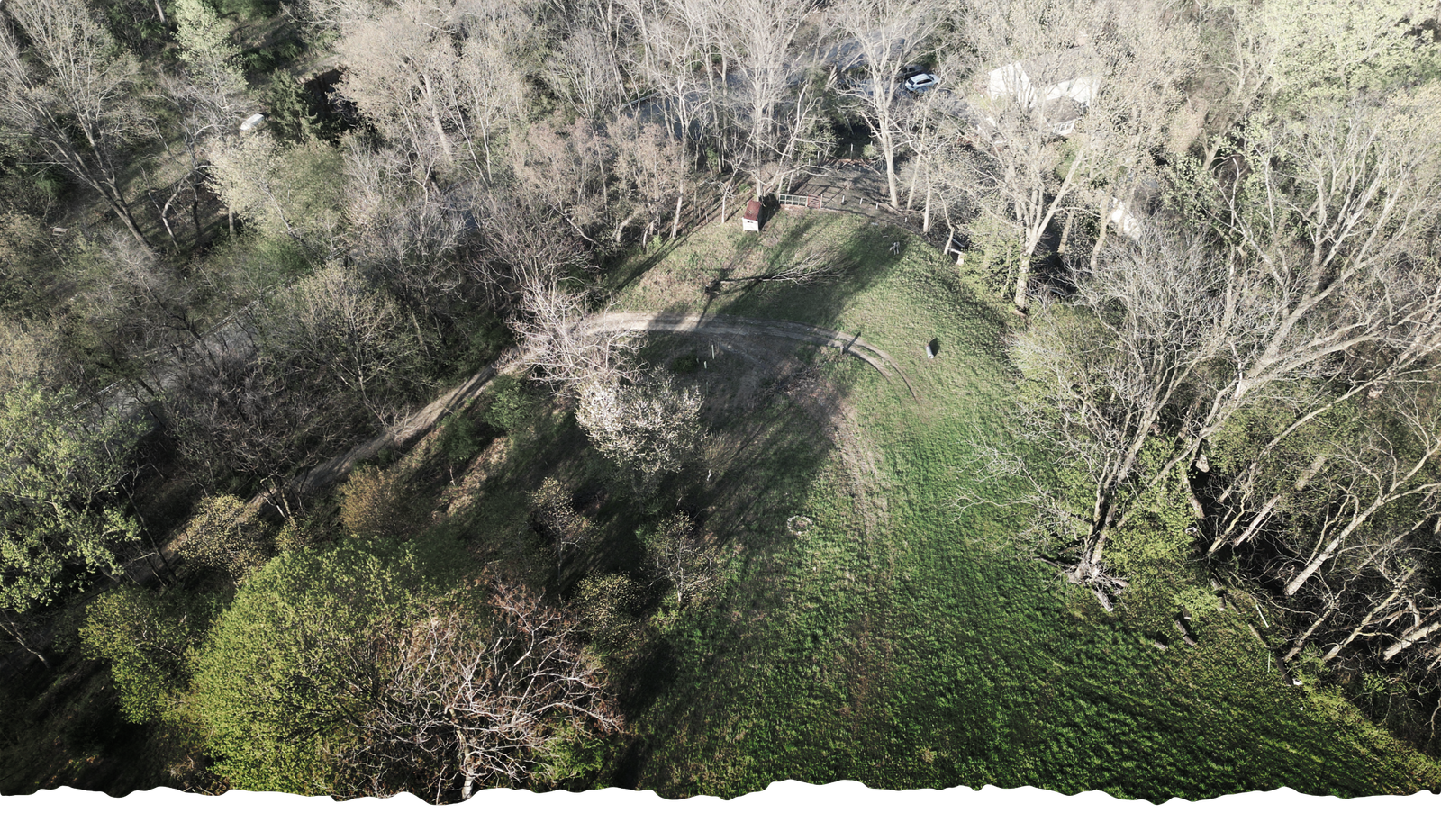
Biodynamics
Preparations, compost, celestial rhythms, observation, and the attempt to understand the farm as an organism rather than a collection of separate inputs.
Explore Biodynamics →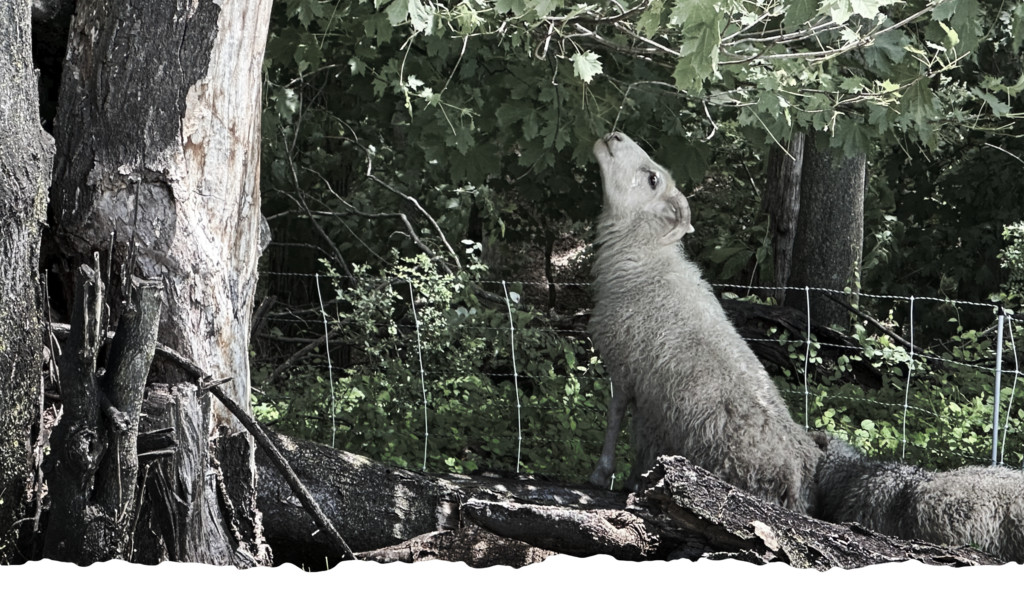

CO-AUTHORS OF THE LAND
Animal Agriculture
Sheep, honeybees, and chickens are participants in the farm. Their appetites, movement, manure, pollination, wool, meat, and behavior help shape what the land becomes.
Explore Animal Agriculture →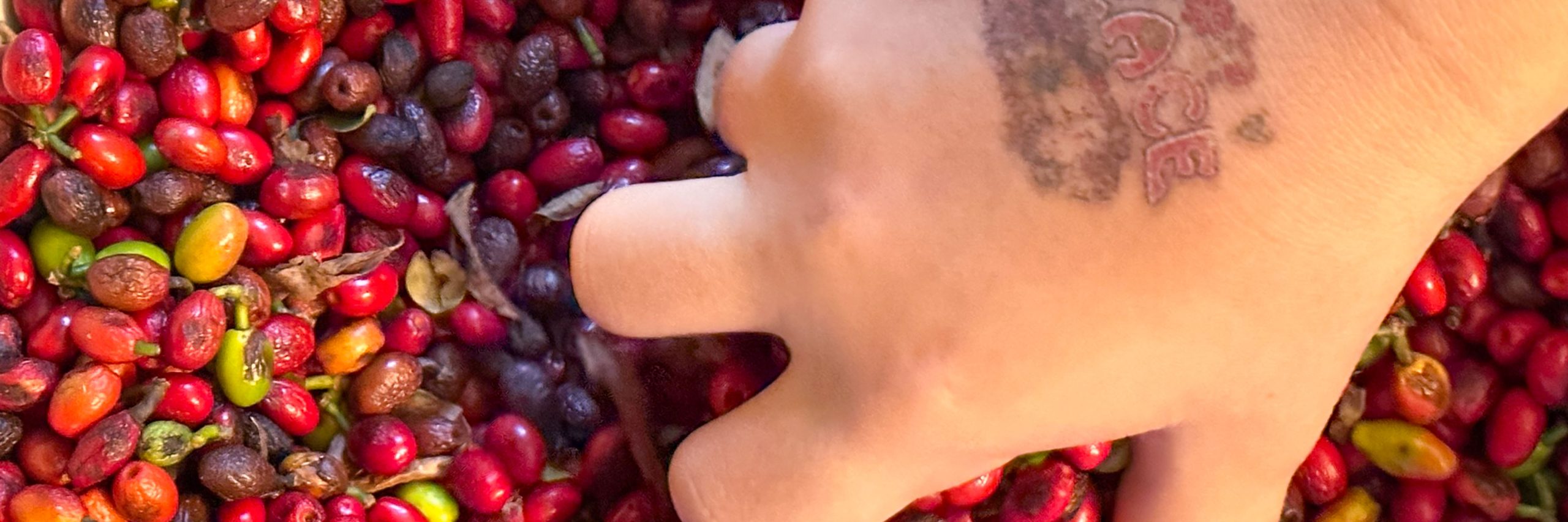

PERENNIAL FOOD FROM THIS PLACE
Native Orcharding
Pawpaw, spicebush, sassafras, sumac, chestnuts, and other perennial crops ask what an orchard can become when it begins with the ecology already here.
Explore Native Orcharding →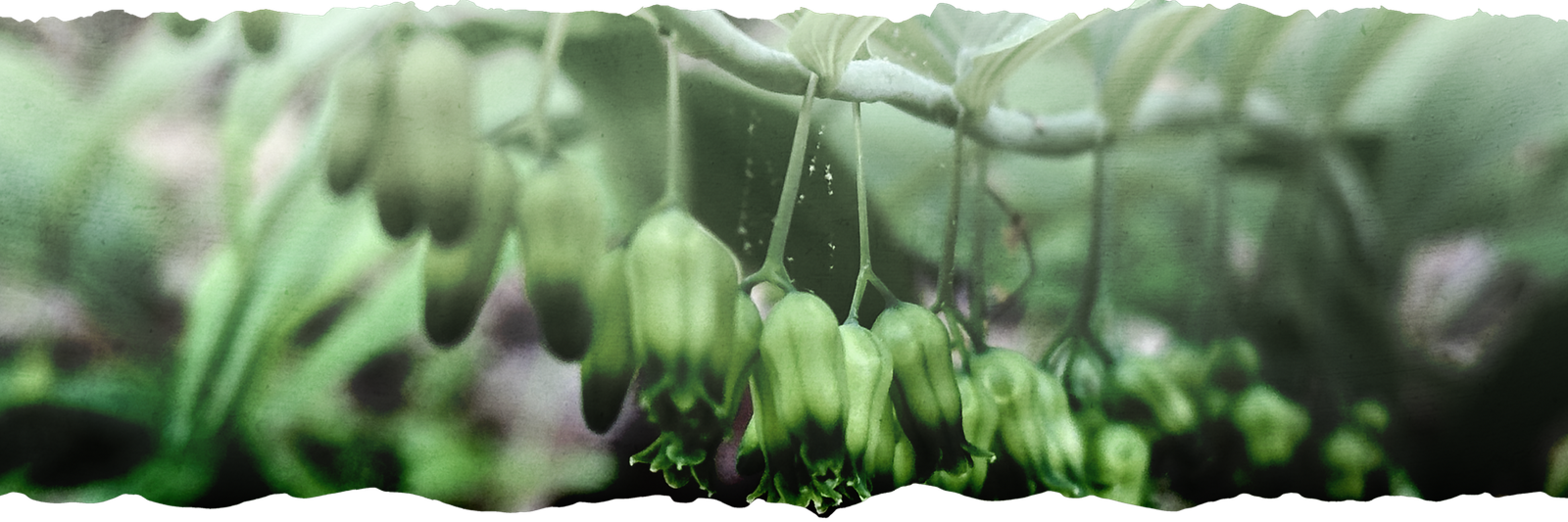

KEEP THE FOREST A FOREST
Woodland Medicinals
American ginseng, goldenseal, black cohosh, Solomon’s seal, and other shade-loving plants can give a standing woodland ecological, medicinal, and economic value at the same time.
Explore Woodland Medicinals →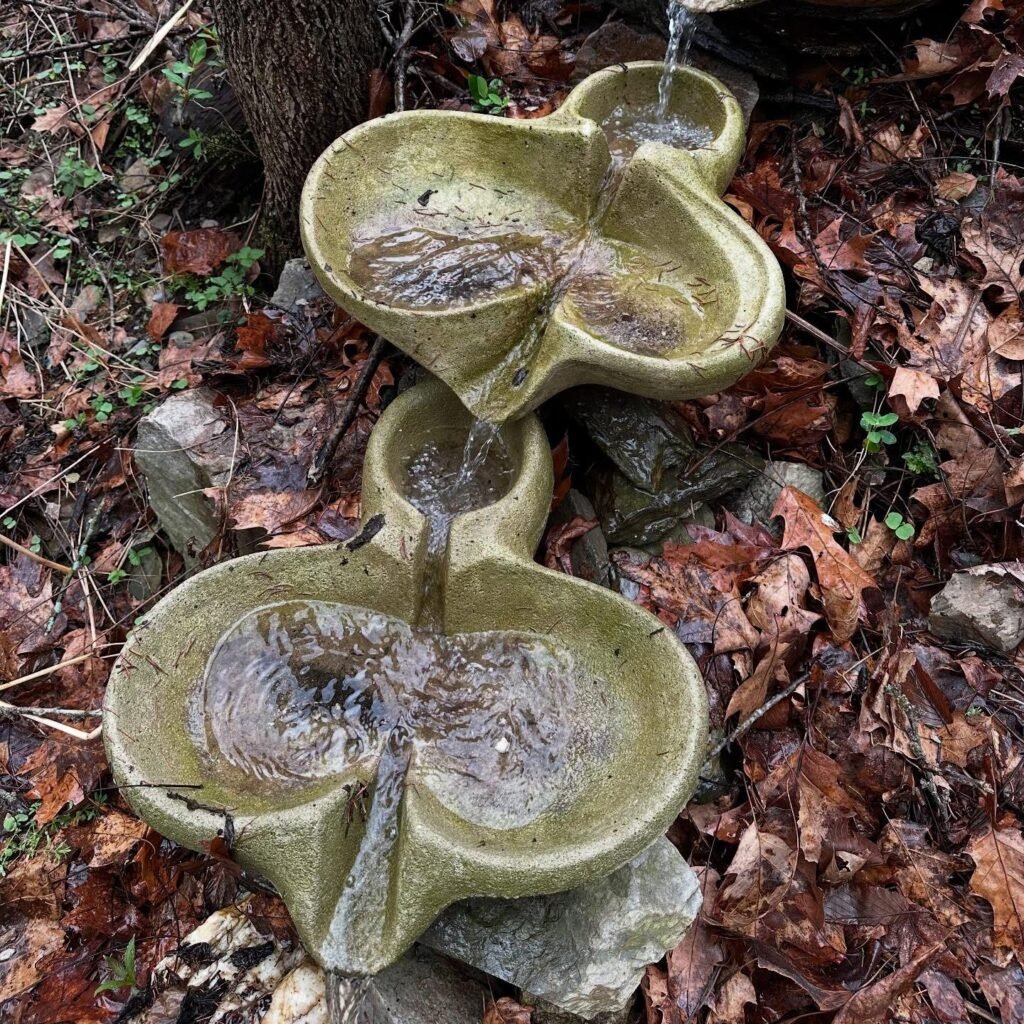

SLOW / SPREAD / SINK
Working with Water
Check dams, under-canopy berms, woody debris, and close observation help slow water, spread it across the landscape, and give it time to enter the soil.
Explore Working with Water →MEASURING THE WHOLE
Five practices. One living balance.
Woodland, animals, perennial agriculture, biodynamics and water restoration overlap across 13 acres. Together, they form an estimated net sink of approximately 17 metric tons of CO₂e each year.
See the carbon ledger →net sink per year
TRY. WATCH. LEARN.
The land gets a vote.
Dark Hollow is not a demonstration farm where everything has already been figured out.
Trees are grafted. Preparations are made. Planting methods are compared. Water is slowed. Animals move through the landscape. Chromatography offers another way of looking. Some things work beautifully. Some barely work at all.
Observation keeps philosophy honest. The work remains open to surprise.
WHAT EMERGES FROM THE WORK
Useful things can be part of the relationship.
Not everything begins with a product in mind. We pay attention to what the land is already doing, what wants to grow here, and what forms of cultivation might be both useful and restorative.
Sometimes that becomes food, medicine, wool, honey, a biodynamic preparation, or something we hadn’t expected.
The observations and questions that emerge from this work continue in our Writing.
COME CLOSER
There are many ways into the work.
Visit, learn, read, follow the farm, attend a workshop, or bring a small piece of the practice into the place where you already live.
A FEW QUESTIONS, ANSWERED
What is biodynamic farming?
Biodynamic farming is an approach to agriculture that treats a farm as a living, interconnected organism. It combines practical attention to soil, plants, animals, compost, fertility, and ecological relationships with the biodynamic preparations and a wider understanding of natural rhythms.
What is biodynamic agroforestry?
Biodynamic agroforestry brings biodynamic practice into landscapes where trees, shrubs, crops, animals, fungi, and people share the same system. At Dark Hollow, that includes woodland medicinals, native fruits and spices, silvopasture, bees, sheep, perennial crops, and the ongoing work of increasing the life and usefulness of the land without simplifying it.
How is biodynamic agriculture different from regenerative agriculture?
Both can emphasize soil health, biodiversity, integrated animals, perennial systems, and rebuilding ecological function. Biodynamics also comes from Rudolf Steiner’s 1924 Agriculture Course and uses specific preparations, farm-organism principles, and an understanding of agricultural life that includes seasonal and celestial rhythms.
What does it mean to treat a farm as a living organism?
It means seeing soil, plants, animals, water, woods, people, fertility, and waste as relationships within one whole rather than as separate inputs and outputs. The aim is for more of the farm’s fertility, resilience, and character to arise from relationships within the place itself.
What does Dark Hollow Biodynamic grow and produce?
Dark Hollow is a small biodynamic agroforestry farmstead in south-central Pennsylvania. Its work includes native foods and spices, woodland medicinals, honey and beeswax, Icelandic sheep and wool, perennial crops, biodynamic preparations, and other goods that emerge from caring for a diverse wooded landscape.
Is biodynamics like permaculture, Korean Natural Farming, or other regenerative approaches?
Yes—and no. Biodynamics shares many practices with permaculture, Korean Natural Farming, regenerative agriculture, agroforestry, and organic farming. All may emphasize healthy soil, biodiversity, closed nutrient cycles, careful observation, and working with natural processes rather than against them.
What distinguishes biodynamics is not simply a particular set of techniques. It understands the farm as a living individuality participating in larger earthly and cosmic relationships. Practices such as the biodynamic preparations and celestial calendar arise from that understanding.
At Dark Hollow, we do not treat these approaches as competing systems. We learn from each of them and use practices that strengthen the life, resilience, and particular character of the farm. Where these different traditions arrive at the same truths—often through different language, cultures, and paths—we believe those truths become more clearly illuminated. Their convergence is something to recognize and celebrate: it reassures us that we are listening well and moving in the right direction.