
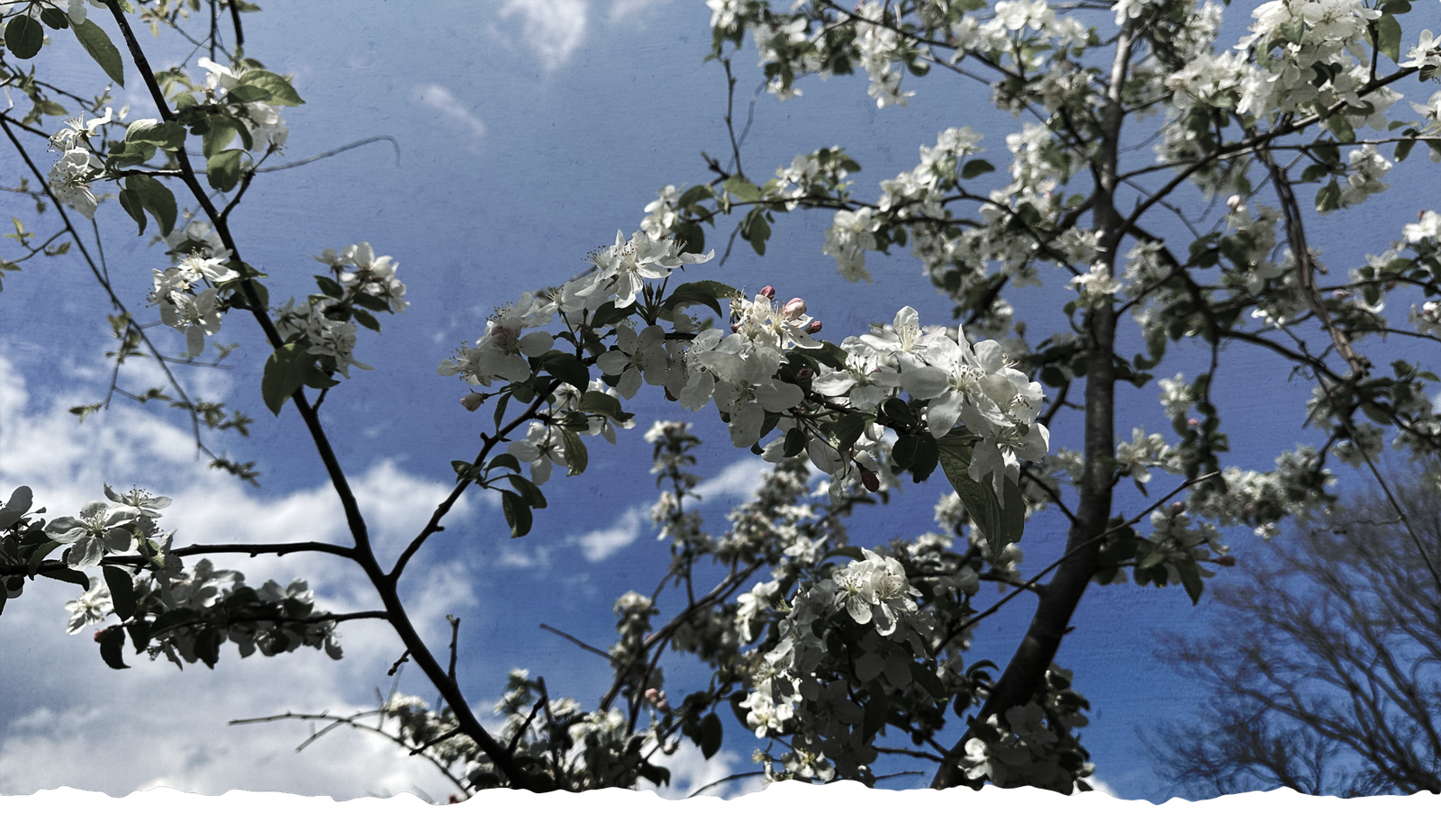
THE WORK / NATIVE ORCHARDING
An orchard that looks like the place itself.
Perennial foods rooted in the ecology of the eastern landscape.
FIELD NOTE / ORCHARD
What can an orchard be?
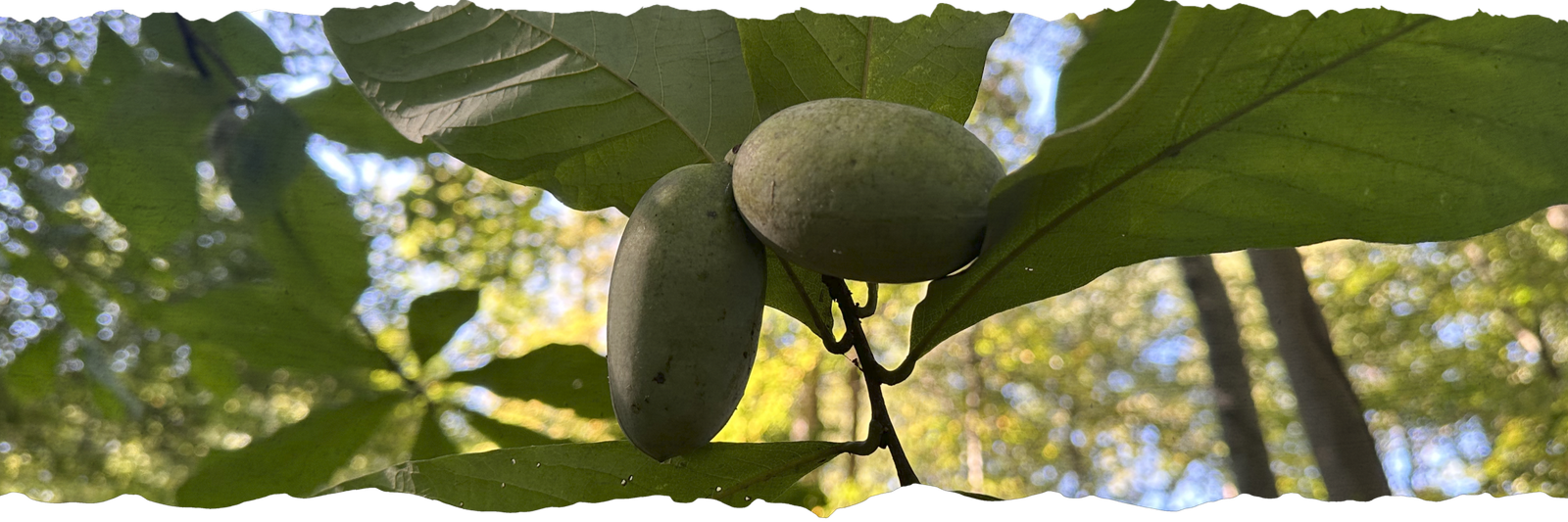
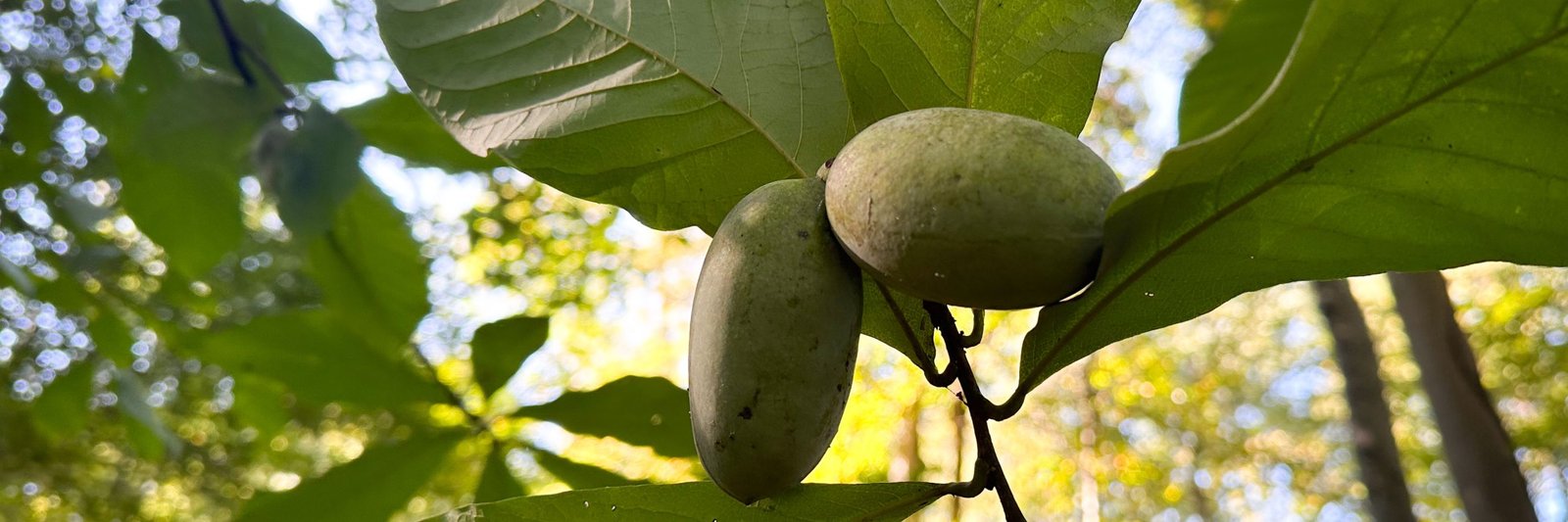
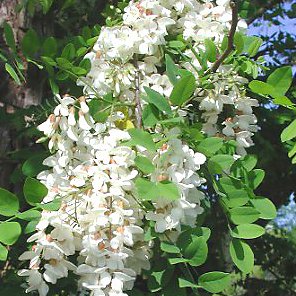
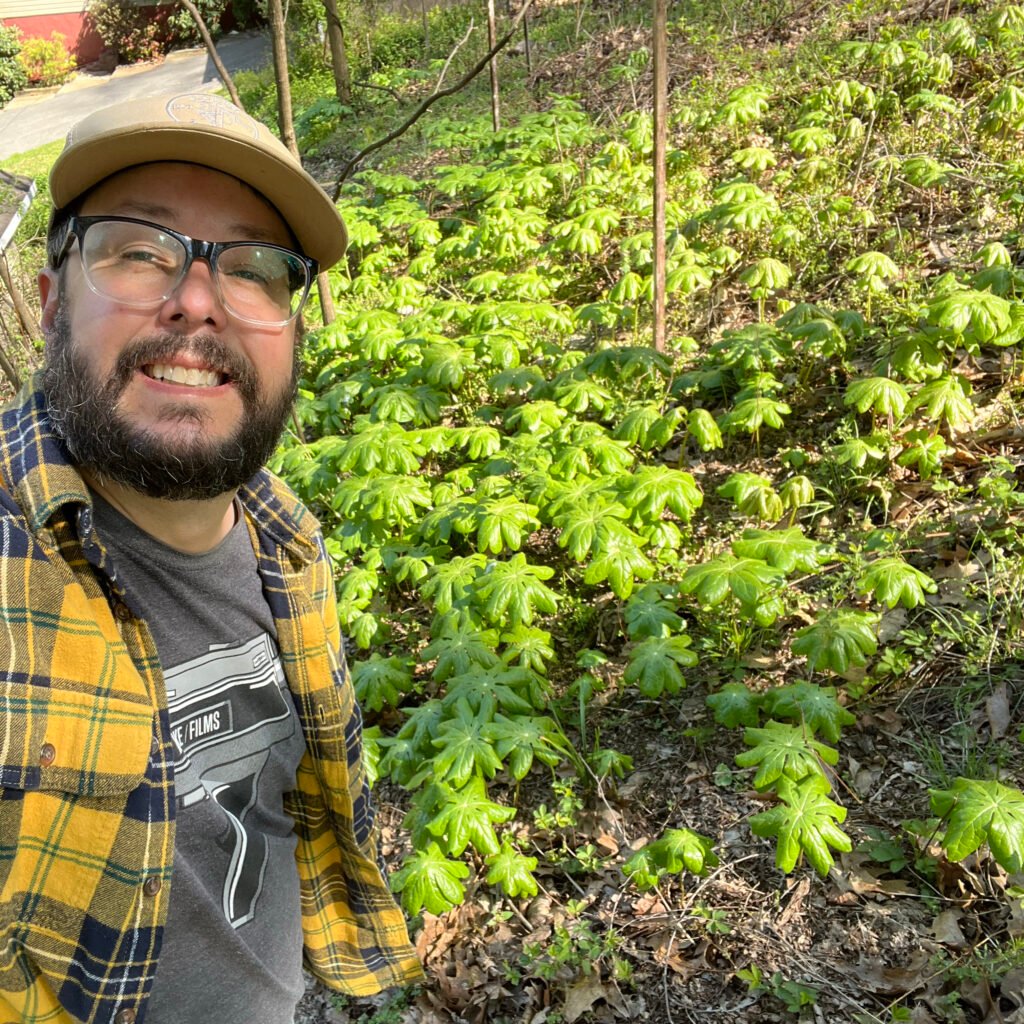
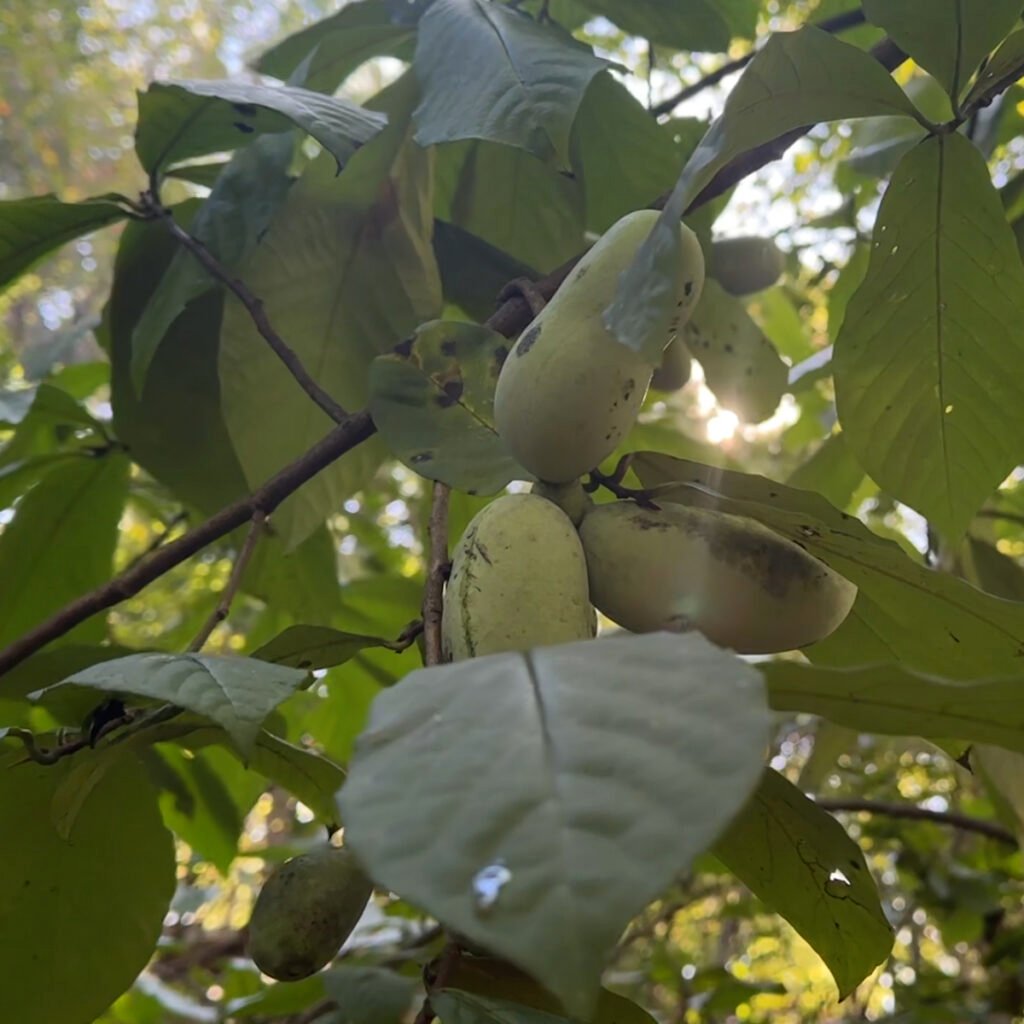
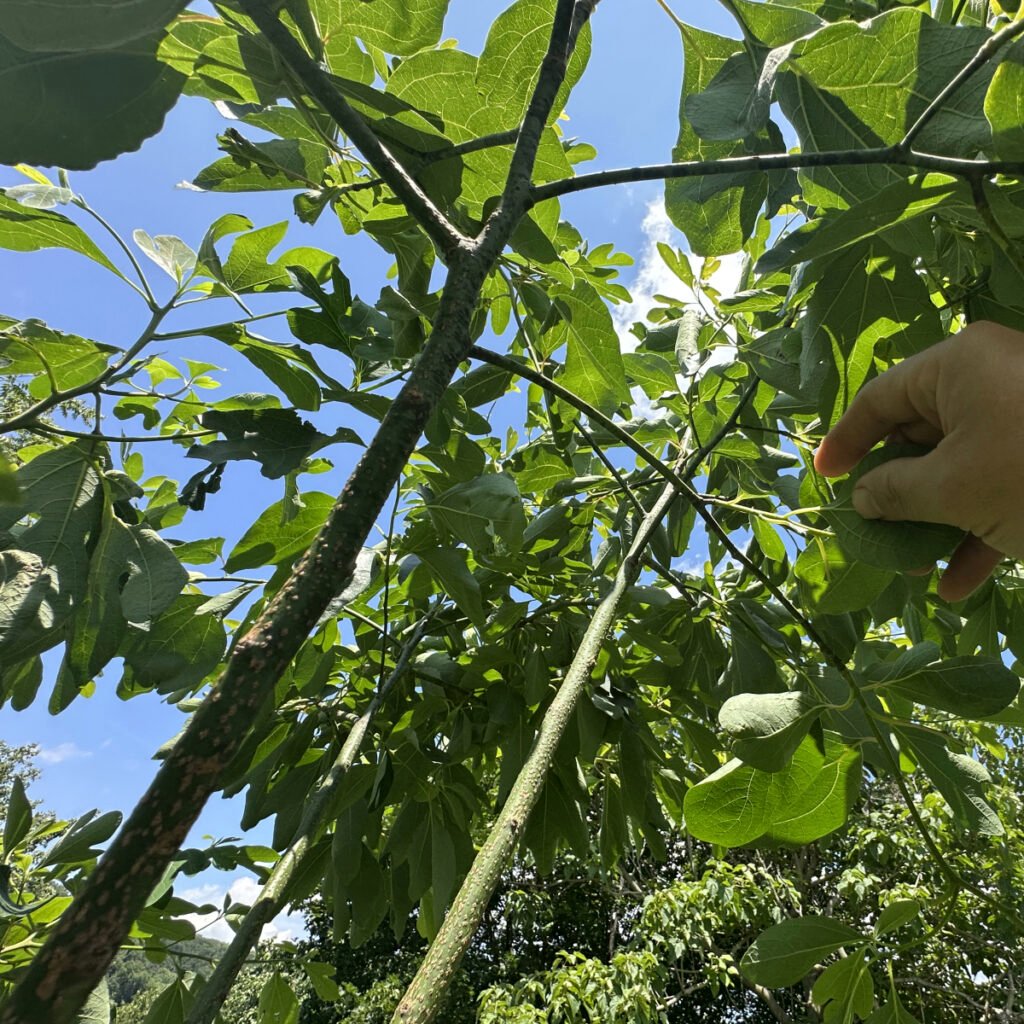
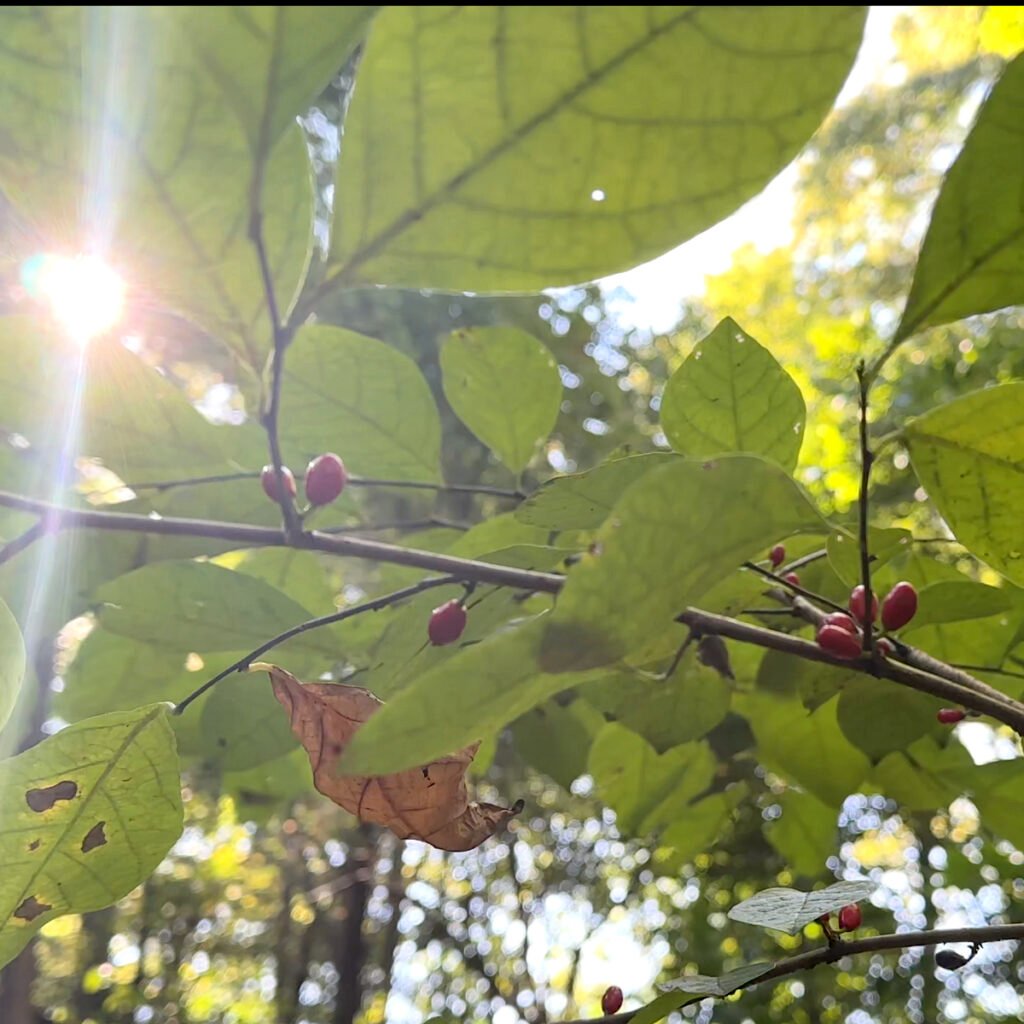
At Dark Hollow, orcharding does not have to mean straight rows of a single fruit tree. Pawpaw grows in patches. Spicebush inhabits woodland edges and understory. Sassafras spreads through roots. Sumac occupies its own niches.
Perennial food can be cultivated within the character of the land rather than replacing it.
The orchard becomes less a shape imposed on the land and more a relationship discovered over time.
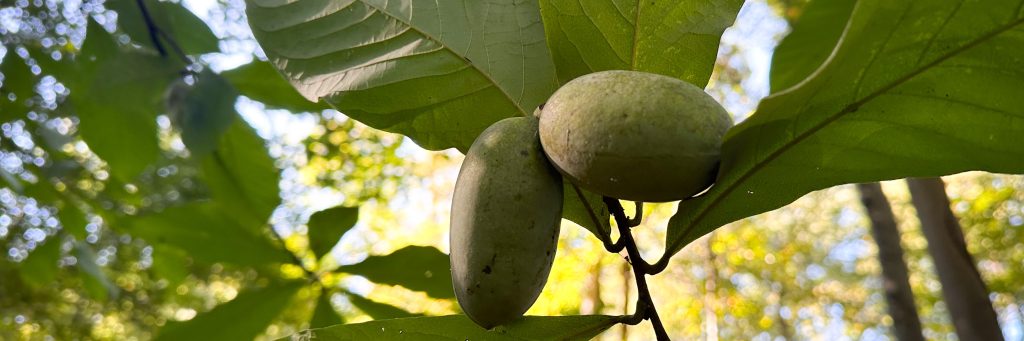
pawpaw / a native fruit that already understands this place
ORCHARD NOTE
Flavor is one way a landscape enters culture.
FROM THE ORCHARD
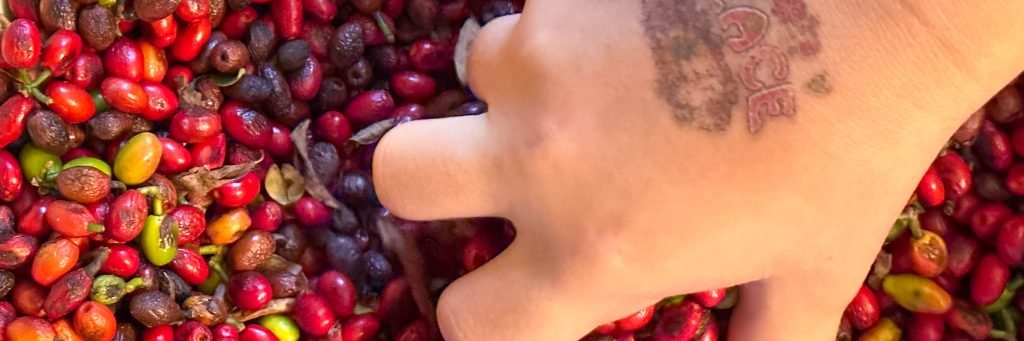
Spicebush, from plant to pantry.
Spicebush berries are gathered, dried, and ground into a fragrant native spice. The product is useful, but it also tells the larger story: a woodland shrub becoming food without the woodland first having to disappear.
Follow those native flavors from woodland edge to spice jar, then into the kitchen.
THE LONG VIEW
Perennial systems ask for patience.
Native orcharding brings together propagation, planting, grafting, harvest, preservation, cooking, ecology, and years of watching how plants respond to a particular place.
An orchard does not have to look like an orchard to feed people.
Goods Library / native orcharding
From This Practice
A changing selection from the Goods Library.

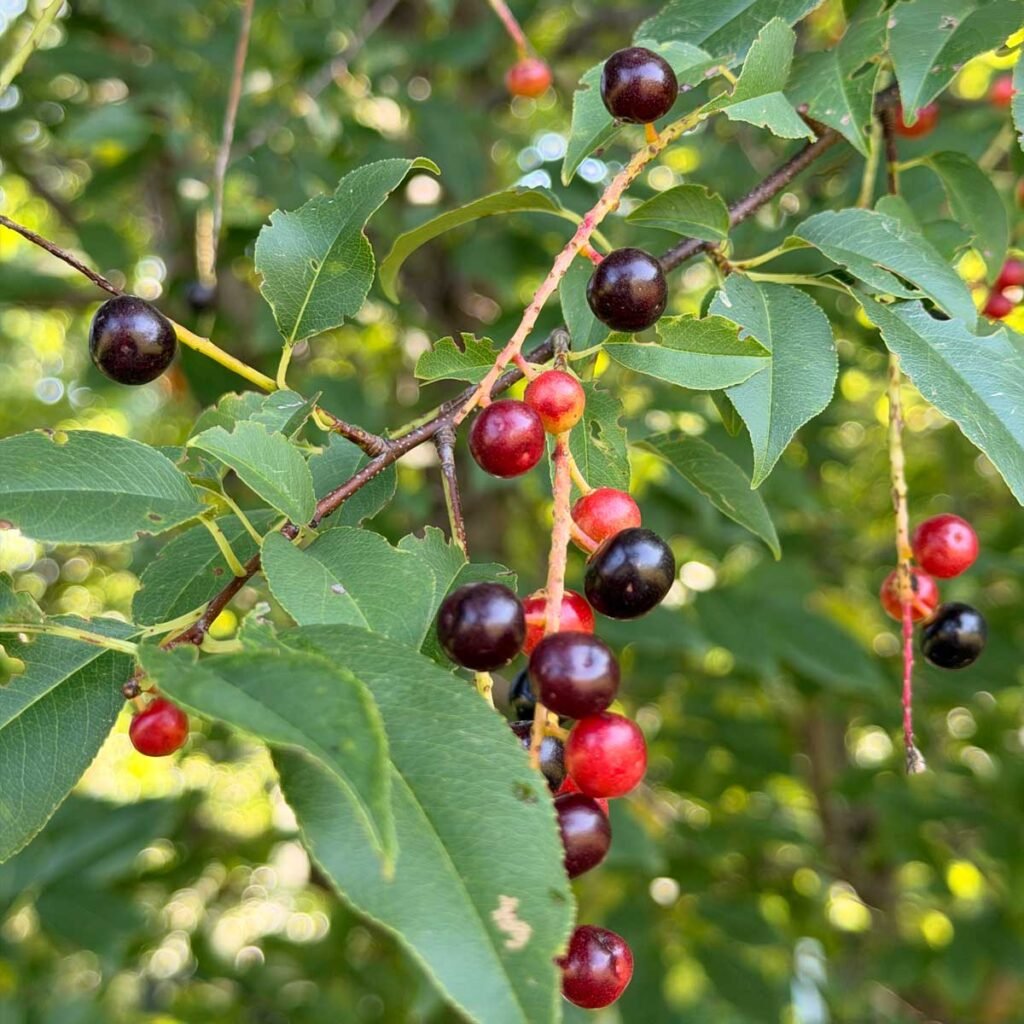
FROM THE MARGIN
Let the ecology get a vote.
The goal is not to make the land resemble an orchard. It is to discover what an orchard can become when the existing ecology gets a vote.